Overview
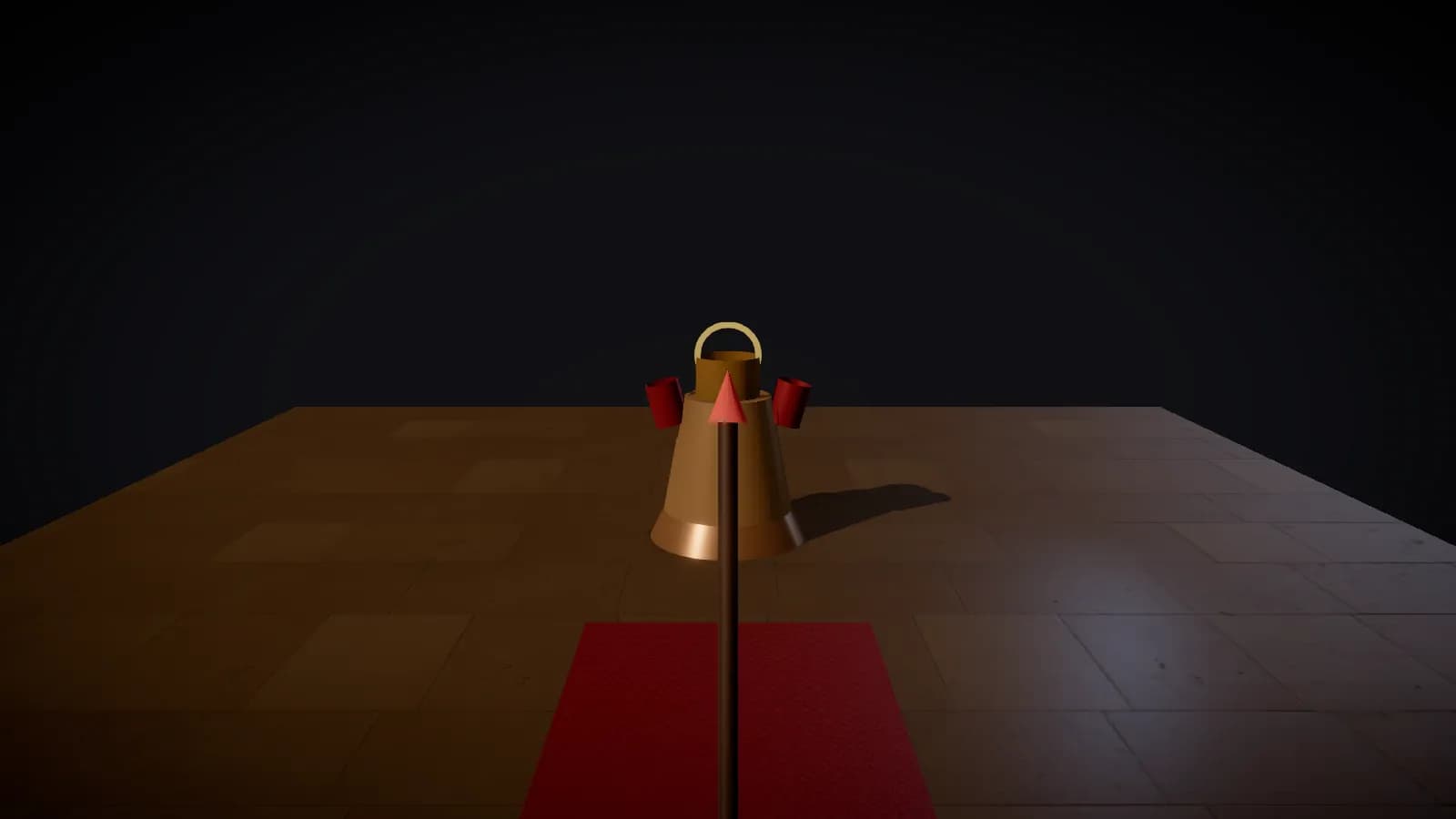
Tuho is Korea's traditional arrow-pitching accuracy game in which players stand at a designated throwing line and toss long wooden arrows into a narrow-necked cylindrical vase (tuho-byeong) flanked by two side rings ("ears"). Originating as a Confucian courtly ritual of self-discipline, concentration, and decorum, it has evolved into a popular holiday and folk festival game played during Lunar New Year and Chuseok across Korea.
Origin & Region
Derived from ancient Chinese ritual games documented in the Book of Rites (Yegi / 禮記), Tuho was introduced to the Korean Peninsula during the Three Kingdoms period (Goguryeo and Baekje) and flourished as a noble pastime throughout the Goryeo and Joseon dynasties. King Seongjong and King Jungjong of Joseon promoted Tuho to foster martial spirit and moral self-cultivation among court officials. Documented in Gyeongdo Japji and preserved in palace grounds and cultural centers nationwide.
Players & Materials
- Players: 2 individual players or 2 teams (East vs. West); each player or team receives 12 arrows (sal)
- Equipment: 1 bronze, wooden, or ceramic pot (tuho-byeong, approx. 40–60 cm tall, with a central mouth approx. 10–12 cm diameter and two attached side rings/ears of approx. 5–8 cm diameter), 12 or 24 weighted arrows (tuho-sal, approx. 65–75 cm long, tipped with lead, rubber, or cloth pads, feathered with silk fletching)
- Playing space: Flat indoor wooden floor or outdoor courtyard; pot placed on a central mat, throwing line marked 10 paces (approx. 2.5 to 3.0 meters) away
Objective
Score the highest number of points by successfully pitching arrows into the central neck or side rings of the target pot.
Rules
layers or teams stand strictly behind the throwing line (tuho-seon), maintaining an upright, poised posture.
Players take turns pitching one arrow at a time using an overhand or underhand lobbing motion.
Standard bout consists of pitching 12 arrows per player (or 12 arrows per team divided among members).
Scoring values:
- Central neck (Jung-ang / 중앙): An arrow resting securely inside the main center cylinder scores 1 point (or 10 points in modern competitive federation scoring).
- Side ears (Gwi / 귀): An arrow resting inside either of the two narrow side rings scores 2 points (or 20 points in modern scoring), reflecting the higher difficulty.
- Miss / Bounce-out: An arrow that strikes the rim and bounces out onto the ground scores 0 points.
- ancient ceremonial penalty points for arrows that balance horizontally across the rims without dropping into a cylinder
After all arrows are pitched, the scores inside the pot are counted by a designated referee or ceremonial master.
The player or team with the highest point total is declared Hyeon (賢 / "The Worthy Victor"), while the losing side is styled Bul-seung (不勝 / "Not Yet Victorious").
In historical court tradition, the loser was required to drink a penalty cup of wine (beol-bae / 罰盃) or perform a poem, while the victor drank a celebratory cup (heon-bae / 獻盃).
Variants
- Modern Festival Tuho: Casual play where each player receives 5 arrows from a distance of 2 meters, scoring 1 point per arrow landed in any part of the pot.
- Dae-tuho (대투호 / Grand Court Tuho): Historic royal court variant utilizing large ornate cast bronze pots with three sets of staggered ears, played at a distance of 15 paces with strict Confucian bowing rituals.
Cultural Notes
Tuho was considered an aristocratic practice combining physical poise, emotional tranquility (jeong-sim / 正心), and athletic accuracy. Today, it is featured at royal palaces (Gyeongbokgung, Changdeokgung), folk villages, and school sports days during Chuseok and Seollal.
Sources
- [Local-language] 투호 (Tuho) — National Folk Museum of Korea (국립민속박물관 한국민속대백과사전). Language:
ko. https://folkency.nfm.go.kr. Accessed 2026-08-15. Type: national-archive. Notes: historical evolution, Book of Rites citations, and ritual scoring. - [Local-language] 투호 — Academy of Korean Studies (한국학중앙연구원 한국민족문화대백과사전). Language:
ko. https://encykorea.aks.ac.kr. Accessed 2026-08-15. Type: academic-encyclopedia. Notes: Joseon court records and Gyeongdo Japji documentation. - [Local-language] 궁중과 민간의 투호놀이 — Cultural Heritage Administration Historical Archives. Language:
ko. Accessed 2026-08-15. Type: state-archive. Notes: court etiquette, arrow dimensions, and Confucian symbolism.