Overview
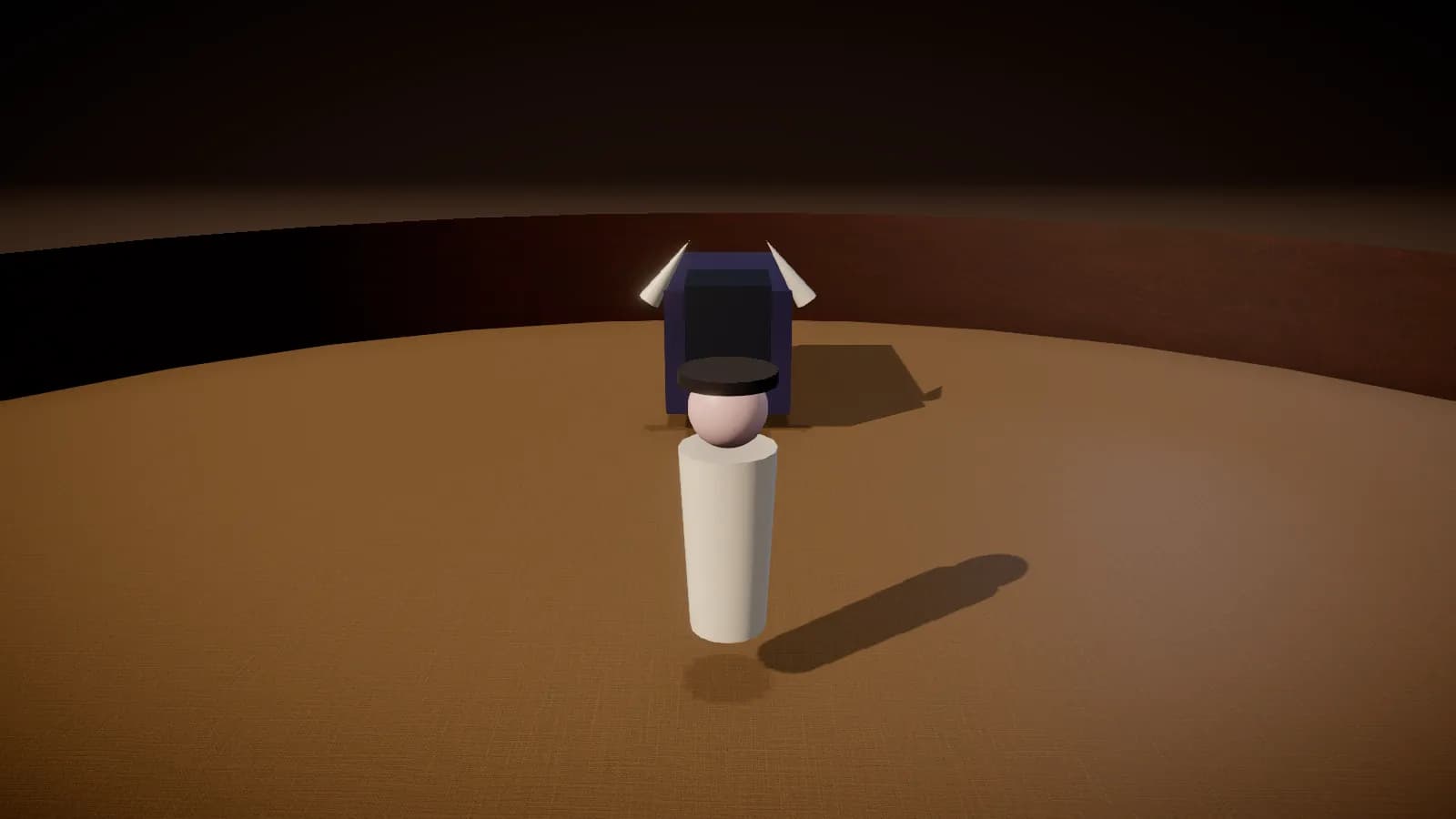
Course landaise (Corsa landesa in Gascon) is a traditional bloodless bovine athletic contest native to southwestern France, principally the Landes and Gers departments. Performed in enclosed circular sand arenas (arènes), human athletes (coursayres) confront aggressive, horned fighting cows of Spanish fighting breed (coursières). Unlike Spanish bullfighting, the animal is never killed, wounded, or physically harmed; instead, athletes execute perilous, milliseconds-precise standing dodges (écarts) and spectacular acrobatic aerial vaults (sauts) directly over the charging horns. It is inscribed on France's National Inventory of Intangible Cultural Heritage.
Origin & Region
Documented in Gascony since the fourteenth and fifteenth centuries (referenced in municipal archives of Saint-Sever in 1457). Originally practiced as informal running of wild cows through village streets during patron saint festivals (courses de rue), the practice was enclosed in dedicated amphitheaters in the nineteenth century. Formal rules, technical figures, and judging criteria were codified in the late nineteenth century. Governed by the Fédération Française de la Course Landaise (FFCL, recognized by the French Ministry of Sports) and inscribed on France's National Inventory of Intangible Cultural Heritage in 2020.
Players & Materials
- Players: A specialized athletic troupe called the cuadrilla (10 to 12 licensed performers):
- 6 to 8 Écarteurs: Standing dodgers dressed in ornate silver- or gold-embroidered bolero vests.
- 1 or 2 Sauteurs: Acrobatic vaulters dressed in plain white gymnastic uniforms.
- 1 Cordier: A veteran handler who holds a long guide rope attached to the cow's horns to control its trajectory and prevent lethal hook-backs.
- 2 Entraîneurs / Seconds: Handlers who position the cow in the arena and distract the animal with handkerchiefs immediately after each pass.
- Animals: Herd of 8 to 12 fierce horned cows (coursières or vaches landaises), reared in semi-feral herds on pine-forest ranches (ganaderías).
- Playing space: A circular or elliptical sand amphitheater (arènes), surrounded by wooden barriers (palissades / burladero) with safety refuges.
Objective
The cuadrilla aims to maximize judged artistic and athletic points across a series of structured passes (sorties) against individual cows, executing flawless dodges and acrobatic aerial vaults while avoiding being struck or tossed by the cow's horns (tumade).
Rules
he course is structured in successive rounds (sorties), with each cow introduced into the arena for a set number of passes (typically 8 to 10 passes).
The Écart (Standing Dodge):
- The écarteur calls the cow ("Houp! Houp!") from a chalk circle in the center of the arena.
- The athlete stands facing the cow's full-speed charge, remaining stationary until the cow's horns are inches away.
- At the exact millisecond of the horn strike, the écarteur pivots aside on one foot (l'écart), hollowing the back and guiding the inner horn past the abdomen or kidney without moving the plant foot.
- Types of écarts: écart sur le feinte (feinting one way and turning the other) or écart tourniquet (spinning complete 360-degree rotation during the pass).
The Saut (Acrobatic Leap):
- The sauteur sprints directly toward the headlong charging cow and executes an aerial vault over the animal's back and horns.
- Recognized leaps include:
- Saut de l'ange (swan dive: body horizontal, arms outstretched like wings, landing on feet).
- Saut périlleux (front or back somersault over the horns).
- Saut pieds joints (standing leap with feet bound together inside a beret).
The Role of the Cordier: The cordier regulates the tension on the horn rope, pulling just enough during the turn to ensure the cow does not double-back into the vulnerable athlete after the pass.
Judging and Scoring: A jury of official judges scores each pass from 1 to 5 points based on:
- Closeness of the horn passage (closer passes score higher).
- Immobility and stance purity of the athlete.
- Difficulty of the figure executed.
Tumade (Collision): If the athlete mistimes the dodge and is struck, knocked down, or tossed by the cow (tumade), the pass scores zero points and emergency assistance is rendered.
Total points from all sorties are summed to determine the cuadrilla's final score.
Variants
- Concours landais: Pure individual championship where the top écarteurs and sauteurs compete individually for the national champion title (Bouclier d'Or).
- Course mixte / Intervaches: Community festival format mixing formal passes with lighthearted games (toroball, inflated obstacle courses) for local youth.
Cultural Notes
Course landaise is the beating heart of the summer festival season (fêtes patronales) across the Landes and Gers (notably in Mont-de-Marsan, Dax, Nogaro, and Saint-Sever). Performances are accompanied by live wind orchestras (harmonies) playing the traditional paso doble anthem La Cazérienne.
Content Advisories
- injury-risk: Performers stand inches from charging 400kg horned animals and risk severe contusions, horn gashes, and bone fractures.
- animal-welfare: Employs live Spanish fighting cows in public spectacles; while bloodless and non-lethal (the animal is returned unharmed to pasture after the event), handling involves stress and containment.
Sources
- [Local-language] Règlement Officiel de la Course Landaise — Fédération Française de la Course Landaise (FFCL). Language:
fr. https://www.course-landaise.org/ (link did not open when checked on 2026-08-18) (link did not open and no archived copy of this document was found) Accessed 2026-08-15. Type: national-federation. Notes: Cuadrilla composition, écart and saut scoring rubrics, cordier duties, and safety protocols. - [Local-language] Fiche d'inventaire du Patrimoine Culturel Immatériel: La Course Landaise — Ministère de la Culture. Language:
fr. https://www.culture.gouv.fr/Thematiques/Patrimoine-culturel-immateriel Accessed 2026-08-15. Type: national-archive. Notes: Medieval origins (1457 charter), bloodless ethics, La Cazérienne music, and Gascon cultural identity. - [Local-language] L'Art de la Course Landaise: Histoire, Écarts et Sauts — Musée de la Course Landaise (Bascons). Language:
fr/oc. Accessed 2026-08-15. Type: regional-museum. Notes: Technical typology of passes, ganadería breeding, and terminology (tumade, coursayre).